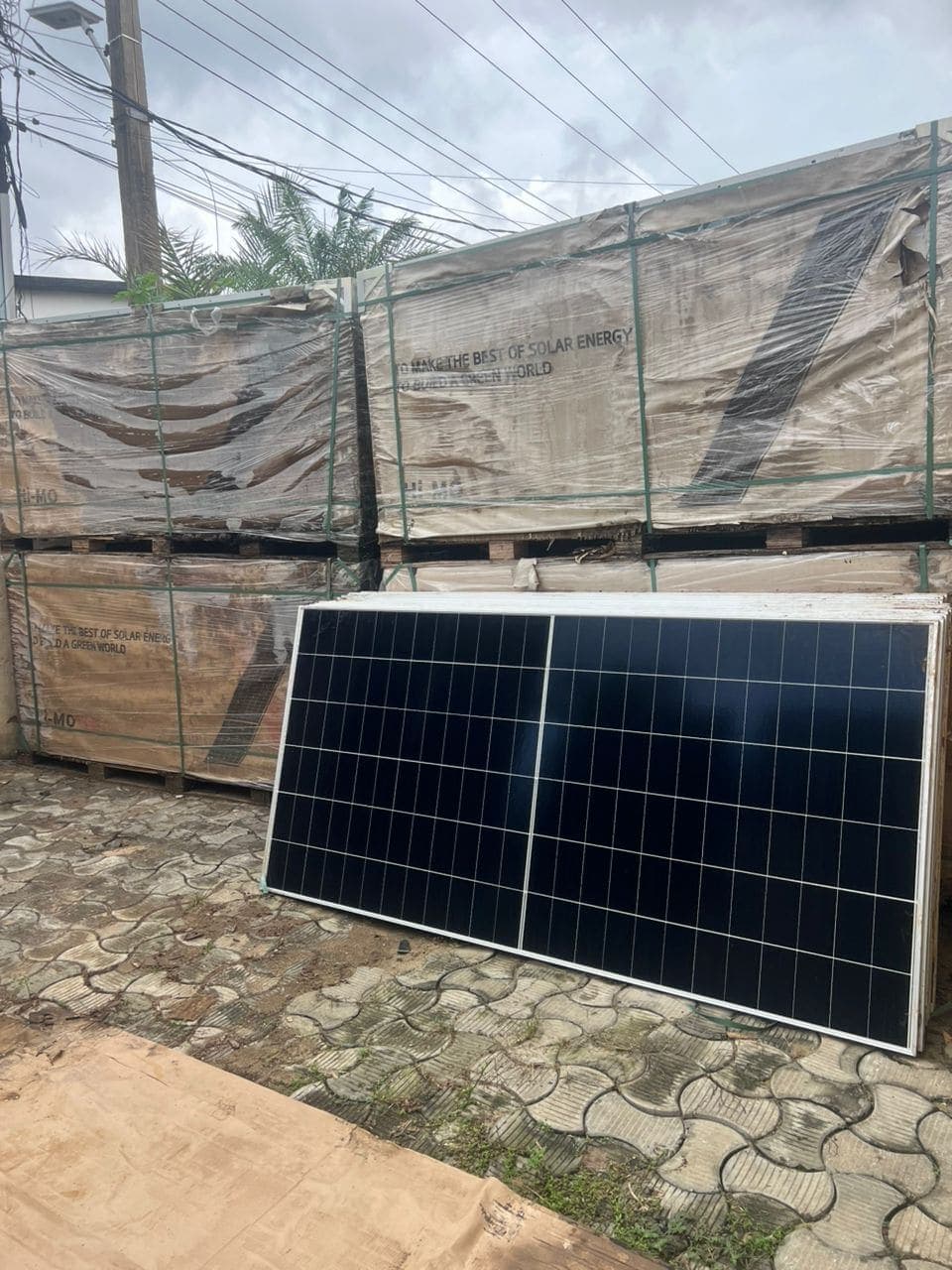
Port Harcourt has seen an explosion of solar vendors over the last three years. Most are legitimate. Some are not. And even among legitimate vendors, panel quality varies enormously. A 400W panel from one brand can produce 60% less power over 10 years than a 400W panel from another — and you won't know until it's already bolted to your roof.
Here is what to look for before you sign anything.
Why Low-Quality Panels Are a Problem in Nigeria
Solar panels in Rivers State face some of the harshest operating conditions for electronics:
- Ambient temperatures of 30 to 38°C mean panels regularly hit 60 to 70°C on their surface
- High humidity accelerates frame corrosion and junction box degradation
- Harmattan dust reduces output and stresses cells if panels are improperly sealed
- Salt air near coastal areas in the Niger Delta corrodes cheap aluminium frames quickly
A panel that performs adequately in Germany will fail early in these conditions if it's built to a budget spec. The question is not just whether the panel works today, but whether it will still work in year 10 and year 15.
Red Flag 1: No Datasheet or Vague Specifications
Every legitimate panel comes with a technical datasheet. This document includes:
- Pmax: Maximum power output under standard test conditions (STC)
- Voc: Open-circuit voltage
- Isc: Short-circuit current
- Efficiency: Usually 18 to 23% for quality monocrystalline panels
- Temperature coefficient of Pmax: How much output drops per degree above 25°C
- Power tolerance: Should be 0/+5W or better (never negative)
If a vendor cannot produce this document for the specific panel model they're selling, walk away. "400W mono panel" with no further specification is not enough information to evaluate what you're buying.
Red Flag 2: A Negative or Wide Power Tolerance
Power tolerance tells you how close the actual panel output is to the rated wattage. Good panels list this as 0/+5W (meaning the panel produces at least its rated power, possibly a little more).
Cheap panels may list -3%/+3% or say nothing at all. A "400W" panel with -3% tolerance might only produce 388W. At scale across 8 to 10 panels, that's a meaningful loss in system output.
Red Flag 3: Unknown or Misrepresented Cell Origin
The photovoltaic cells inside a panel are the most important component. Premium cells come from manufacturers like LONGi, Jinko, JA Solar, Canadian Solar, Trina Solar, and a handful of others. These companies publish production data, have third-party certifications, and have documented track records.
Watch for:
- Panels claiming to use "Tier 1 cells" without naming the actual manufacturer
- Claims of "A-grade" cells with no certification to support it
- Chinese brand names that closely resemble reputable brands (e.g., "Jinkoo" or "CanadianStar")
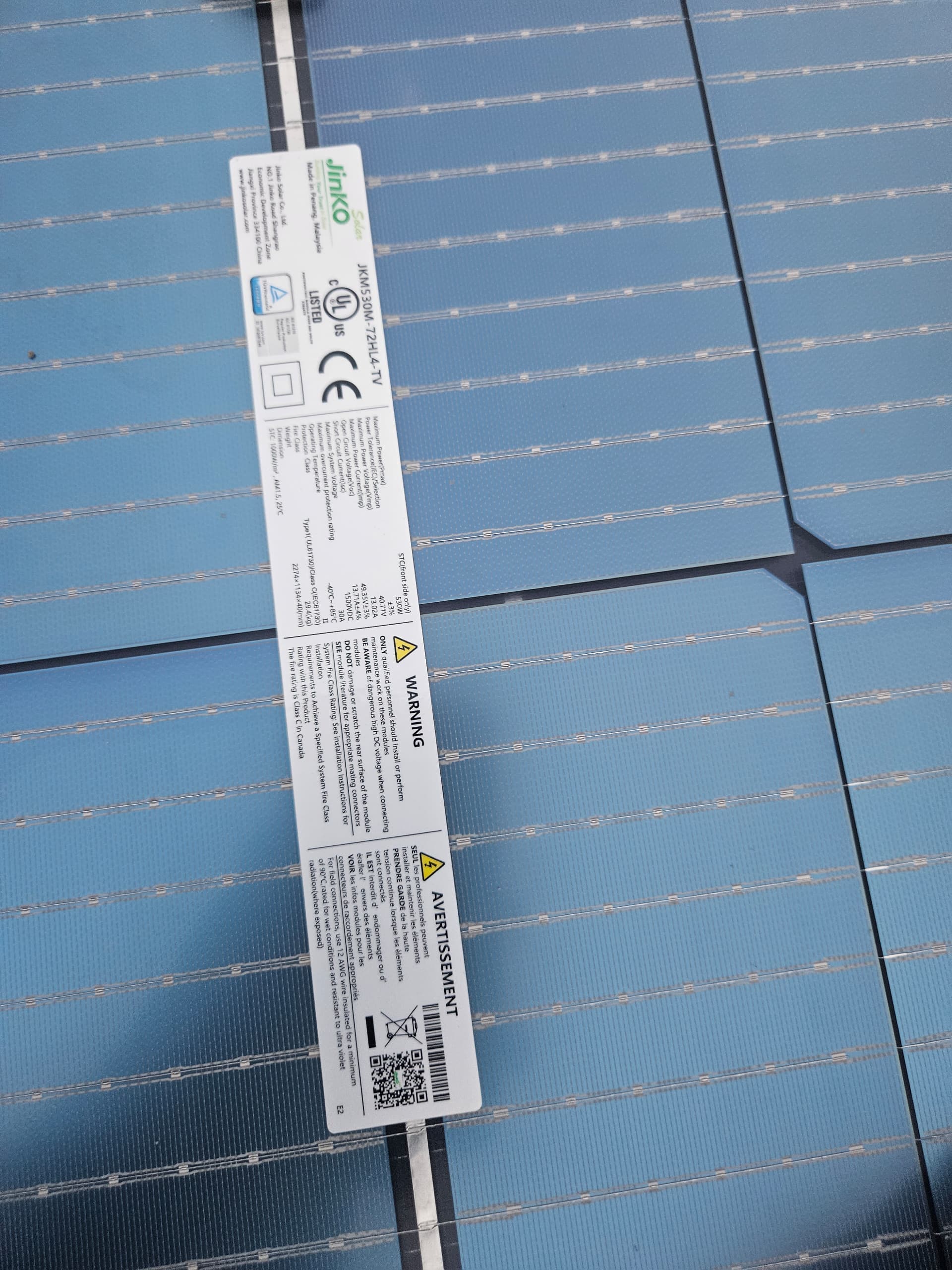
- Panels with no visible manufacturer branding on the back label
Ask directly: "Which cell manufacturer supplied the cells in this panel?" If they cannot answer, the cells are likely B-grade or recycled rejects.
Red Flag 4: Poor Physical Quality
Inspect the panel physically before accepting delivery:
| What to Check | Good Sign | Bad Sign |
|---|---|---|
| Frame corners | Tight, clean welds | Gaps, rough joins, visible flex |
| Backsheet | Uniform, no bubbles or creases | Bubbles, discolouration, peeling |
| Junction box | Sealed, firm, no gaps | Loose, cracked, or exposed wiring |
| Glass surface | Tempered, uniform texture | Thin, easily flexed, uneven coating |
| Cell alignment | Perfectly grid-aligned | Crooked cells, uneven spacing |
| Label | Clear model number, serial, specs | Faded, missing, or handwritten |
Run your hand along the frame. Quality aluminium frames are rigid and feel solid. Cheap frames flex noticeably and corrode within 2 to 3 years in humid coastal conditions.
Red Flag 5: Price That Doesn't Add Up
Legitimate 450W monocrystalline panels from recognised brands currently cost between ₦90,000 and ₦140,000 in Rivers State depending on exchange rates. If a vendor is offering "450W" panels at ₦45,000 to ₦60,000, something is wrong. Either:
- The panels are not actually 450W
- The cells are off-grade rejects
- The panels are refurbished or damaged
- The brand is counterfeit
Solar panels are priced primarily by the cost of silicon cells and the exchange rate. There is no legitimate supply chain that produces quality 450W panels at half the market rate.
Red Flag 6: No Certifications
Reputable panels carry certifications that verify they've been independently tested. Look for:
- IEC 61215 (performance and durability standard)
- IEC 61730 (safety standard)
- ISO 9001 (quality management)
- CE marking (for European market compliance)
- NAFDAC or NEMSA approval where applicable in Nigeria
These are not just stickers. They represent actual third-party testing. A vendor should be able to show certification documents, not just claim them verbally.
What to Ask Any Solar Installer in Nigeria
Before committing to an installation, ask these questions directly:
- What is the full model number of the panels you're supplying?
- Can I see the manufacturer's datasheet for that exact model?
- Who manufactured the cells inside the panel?
- What certifications does the panel carry, and can you show me the certificates?
- What is the panel's power tolerance rating?
- What warranty does the manufacturer offer, and how do I make a claim if there's a problem?
- What is your company's physical address and registration number in Nigeria?
A professional installer will answer all of these without hesitation. Evasive answers to any of these questions should give you pause.
Brands Worth Trusting
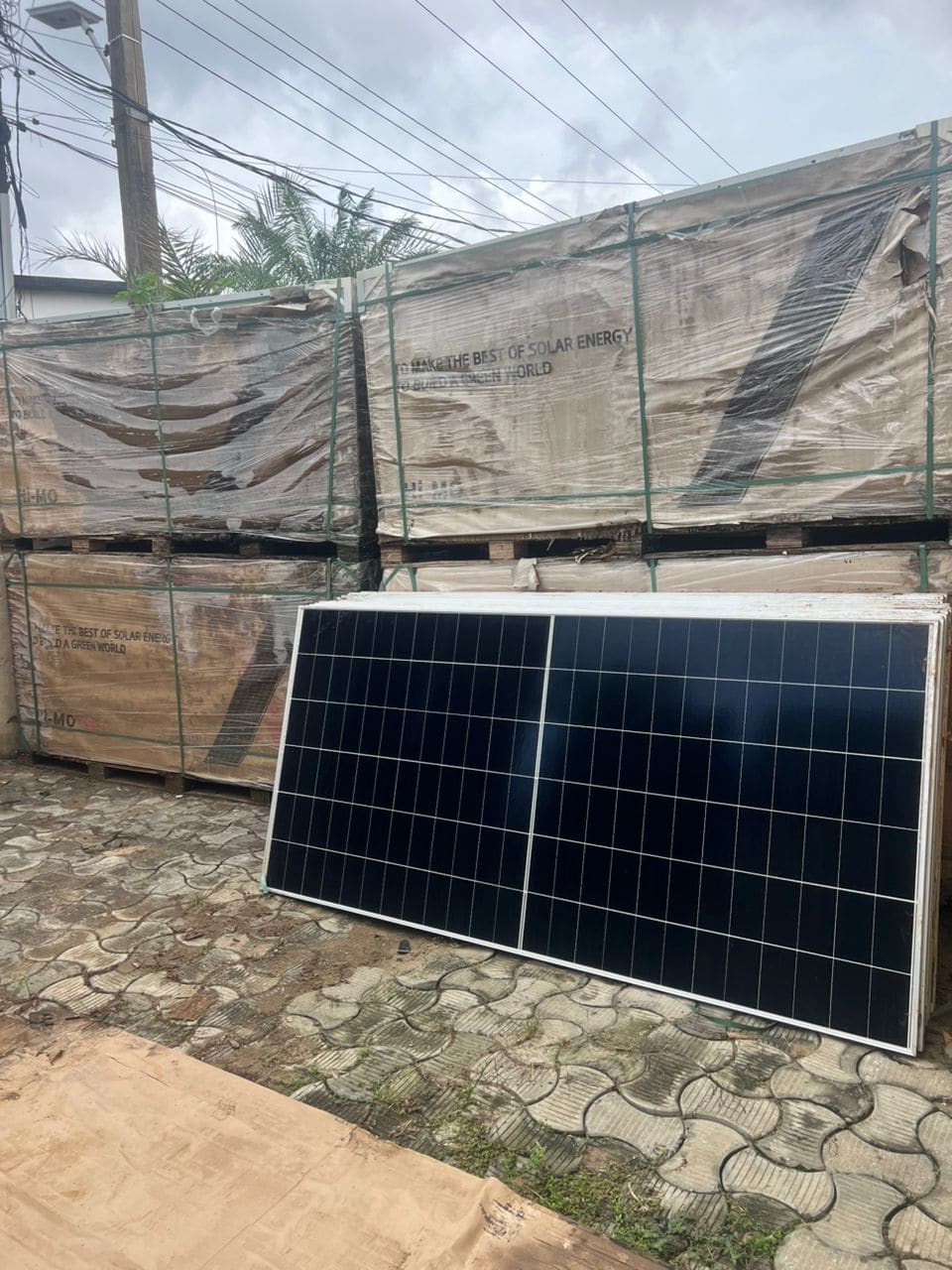
These manufacturers have established global track records, published degradation data, and proper certifications. They are the gold standard for solar panels:
- LONGi Solar (Hi-MO series)
- Jinko Solar (Tiger series)
- JA Solar (Deep Blue series)
- Canadian Solar (HiKu series)
- Trina Solar (Vertex series)
- REC Group
This list is not exhaustive. Several other reputable manufacturers exist. The key is that the manufacturer is identifiable, their products are certifiable, and their warranties are enforceable.
The Warranty to Look For
Quality solar panels come with two warranties:
- Product warranty: 10 to 15 years covering manufacturing defects
- Performance warranty: 25 to 30 years guaranteeing output (typically 80% at year 25)
A panel with no warranty or a "1-year warranty from the vendor" is not a panel. It's a risk.