
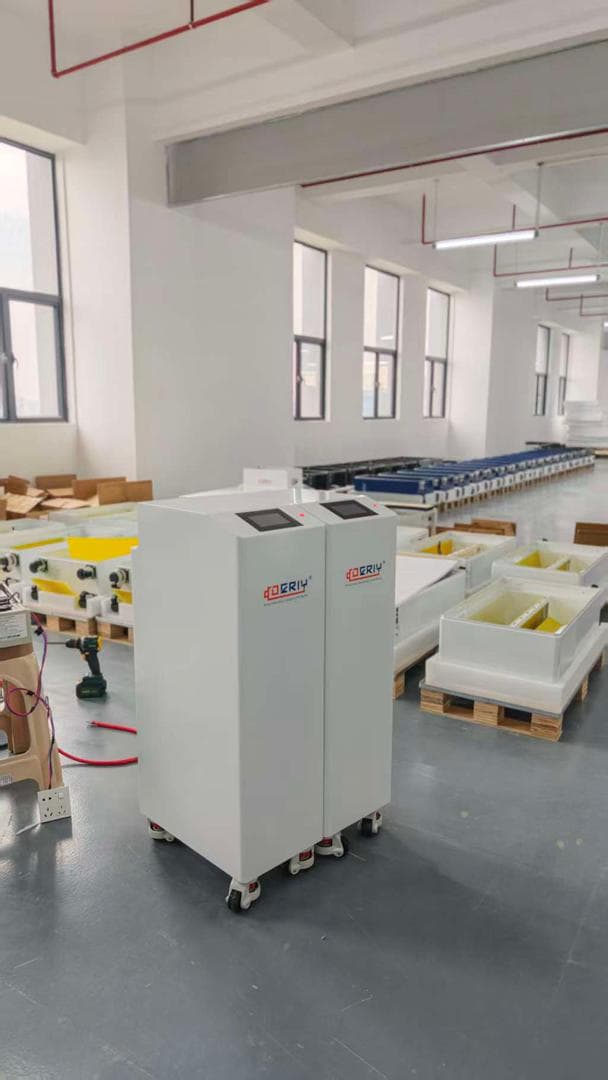
Every good lithium battery has a small computer inside called a BMS. It stands for battery management system. It is the reason lithium batteries are safe and long-lasting.
What is inside a lithium battery
A 48V lithium battery is made of many small cells. A LiFePO4 cell is about 3.2V. Sixteen cells in a row make about 51.2V.
All 16 cells must stay healthy and equal. That is the BMS's job.
What the BMS protects against
| Danger | What the BMS does |
|---|---|
| Overcharge | Stops charging when cells are full |
| Over-drain | Cuts power before cells go too low |
| Too much current | Cuts off if you pull too much power |
| Short circuit | Shuts down instantly |
| Too hot or too cold | Stops charging or discharging |
| Unequal cells | Balances them so none is overworked |
Why balancing matters
If one cell gets full first, the whole battery has to stop. If one cell empties first, the whole battery stops. Over time, unequal cells waste capacity. The BMS keeps them close together.
Communication with the inverter
Better batteries can talk to the inverter. They tell it: "charge me this much", "I am full", "I am hot". This is the safest way. Ask if your battery and inverter can communicate.
What to ask before you buy
- Does it have a BMS?
- What is the BMS current rating? (It should match your inverter.)
- Does it communicate with my inverter?
- Does it have temperature protection?
Signs of a weak BMS
- The battery cuts off suddenly under normal load.
- It shows full, then drops fast.
- It gets hot while charging.