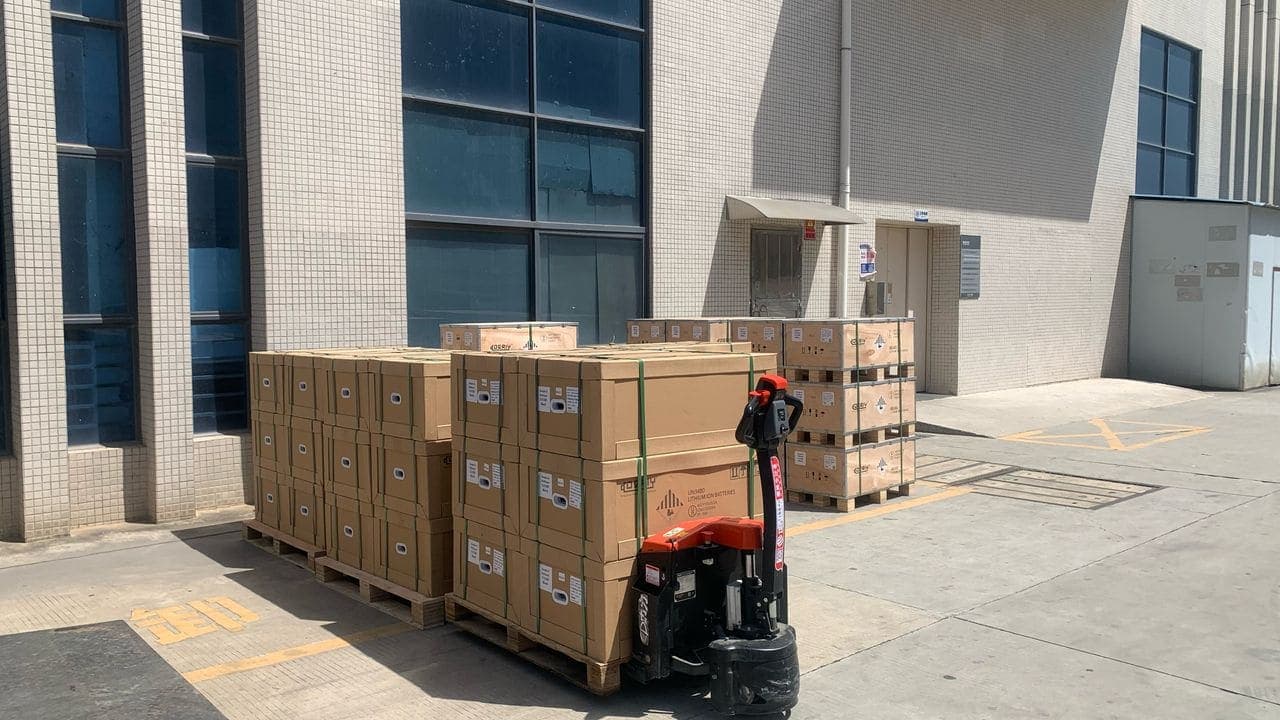
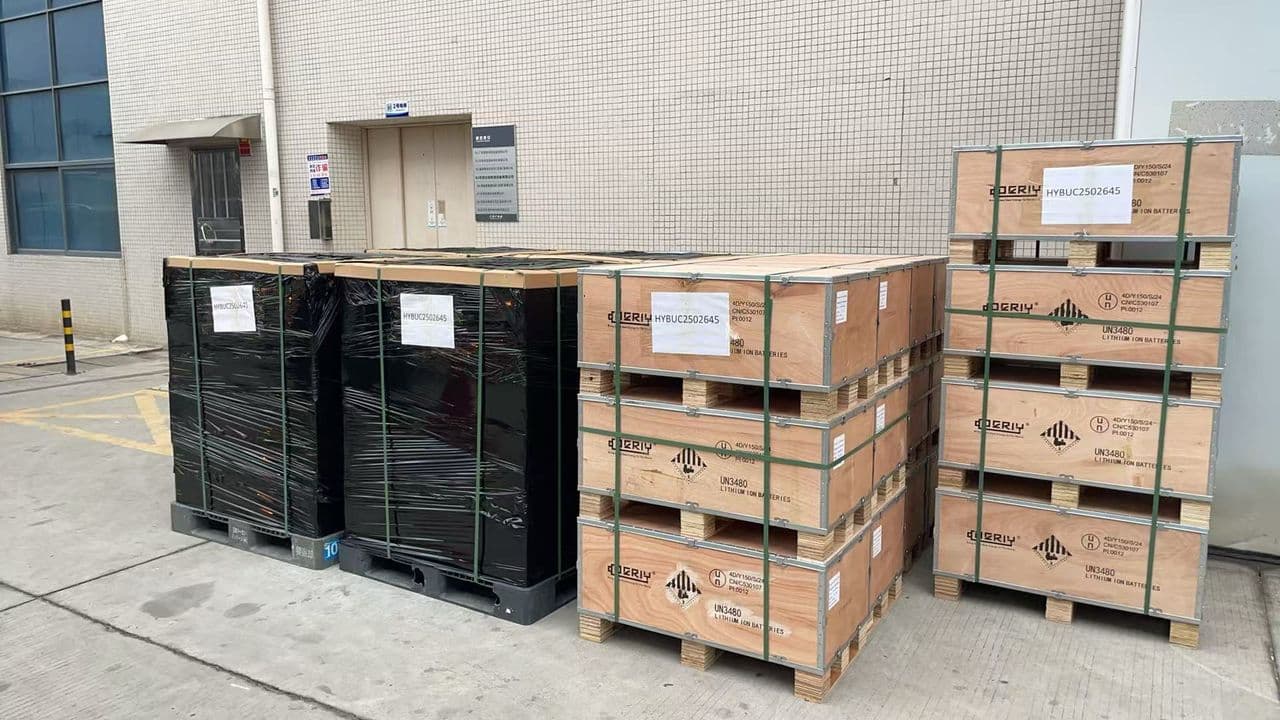
If your gel or tubular batteries keep dying, you are not alone. Many homes in Port Harcourt, Warri and Ughelli upgrade to lithium. Here is what it costs and what changes.
What you pay for
- The lithium battery. The biggest part.
- Settings. The inverter must be set for lithium.
- Cables and breaker. Sometimes new ones are needed.
- A new inverter, only if yours cannot handle lithium.
Rough battery costs
Lithium storage costs about ₦220,000 per kWh in our installed systems.
| Lithium size | Rough battery cost |
|---|---|
| 2.5kWh | About ₦550,000 |
| 5kWh | About ₦1.1M |
| 10kWh | About ₦2.2M |
These are guides. Your quote is itemised after a site check.
Can your inverter stay?
We check:
- Voltage. A 48V inverter needs a 48V lithium battery.
- Lithium setting. Does it have a lithium or "user" charge mode?
- Sine wave. Is it pure sine wave?
- Solar input. Does it have MPPT for panels?
Many hybrid inverters bought in the last few years can stay. Old inverters often cannot.
What you gain
| Before (gel / tubular) | After (lithium) | |
|---|---|---|
| Usable power | About half | Most of it |
| Life | 1.5 to 3 years | 8 to 15 years |
| Water / care | Tubular: yes | None |
| Space | Big and heavy | Smaller, often wall-mounted |
How to size the new battery
Do not just copy the old battery's Ah. Lithium gives more usable power. A 5kWh lithium often does the job of 8 to 10kWh of lead-acid.
Read why lithium is better.