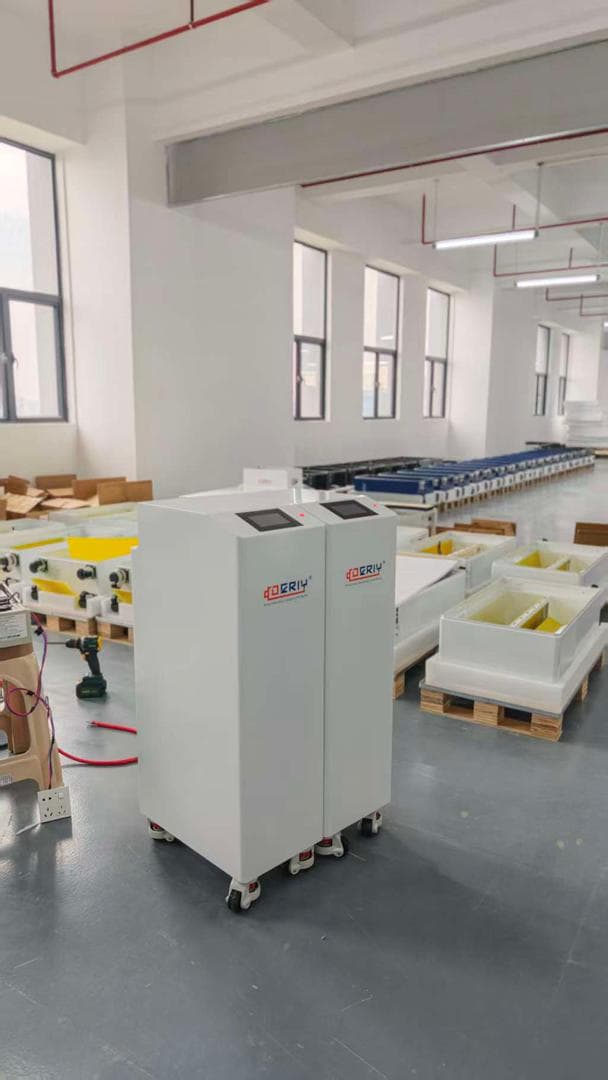
Gel batteries look neat. They are sealed. They do not need water. Many people in Port Harcourt and Asaba buy them for that reason. But for solar, lithium is usually the better buy.
What is a gel battery?
A gel battery is a kind of lead-acid battery. The acid is thick like jelly. That stops it from spilling. It is cleaner than tubular, but inside it still works like lead-acid.
Side by side
| Gel | Lithium (LiFePO4) | |
|---|---|---|
| Life with daily use | 2 to 3 years | 8 to 15 years |
| Cycles | 500 to 800 | 3,000 to 6,000 |
| Power you can use | About 50% | About 80 to 95% |
| Water | No | No |
| Heat tolerance | Weak | Better |
| Charge speed | Slow | Fast |
| Weight | Heavy | Light |
The heat problem
Many battery rooms in Port Harcourt, Warri and Yenagoa get hot. Hot rooms are bad for gel. Heat makes the gel dry and crack inside. Then the battery loses power.
Lithium also likes a cool room, but it handles our heat better. See how to care for a lithium battery in Nigerian heat.
The "half power" problem
A 200Ah, 12V gel battery holds 2.4kWh on paper. But you should only use about half. So you really get about 1.2kWh.
A 2.4kWh lithium battery gives you about 2kWh or more. Same label. Much more power.
The slow-charge problem
Gel batteries do not like fast charging. In rainy season, you may only get a few hours of good sun. Gel may not fill up in that time. Lithium fills up faster, so you start the night with more power.
When gel still makes sense
- Very small systems, like a few lights and a fan
- Backup that is used only a few times a month
- A short-term fix while you save for lithium
How to make gel last longer
- Keep it in the coolest room.
- Never drain it flat.
- Make sure your panels can fill it every day.
- Use the correct charge settings on the inverter.
Thinking of switching?
We upgrade gel batteries to lithium across Rivers State, Delta State and Bayelsa State. Read the cost of a gel to lithium upgrade.