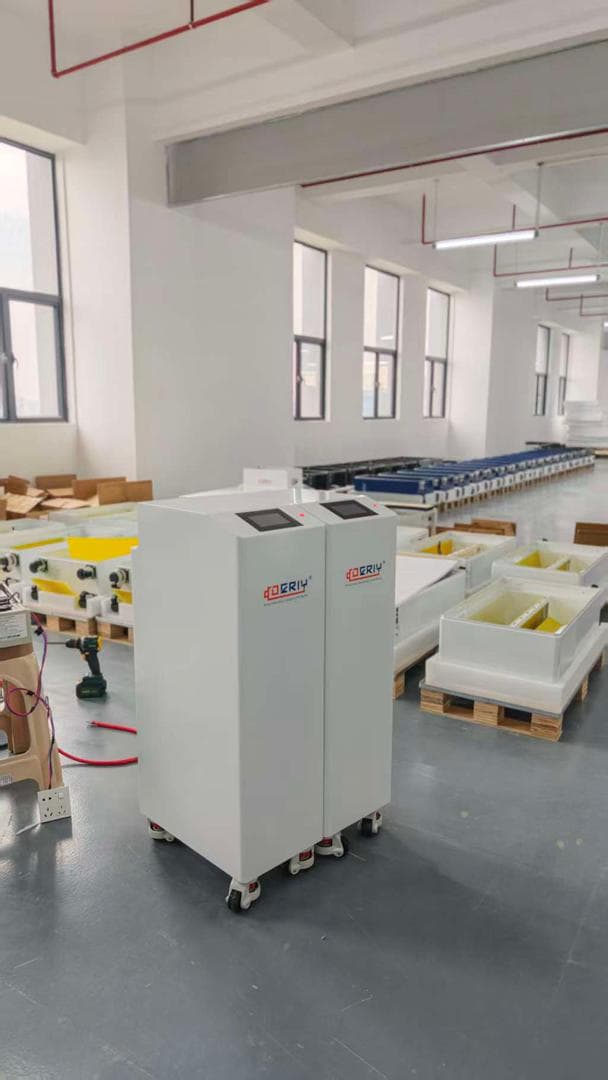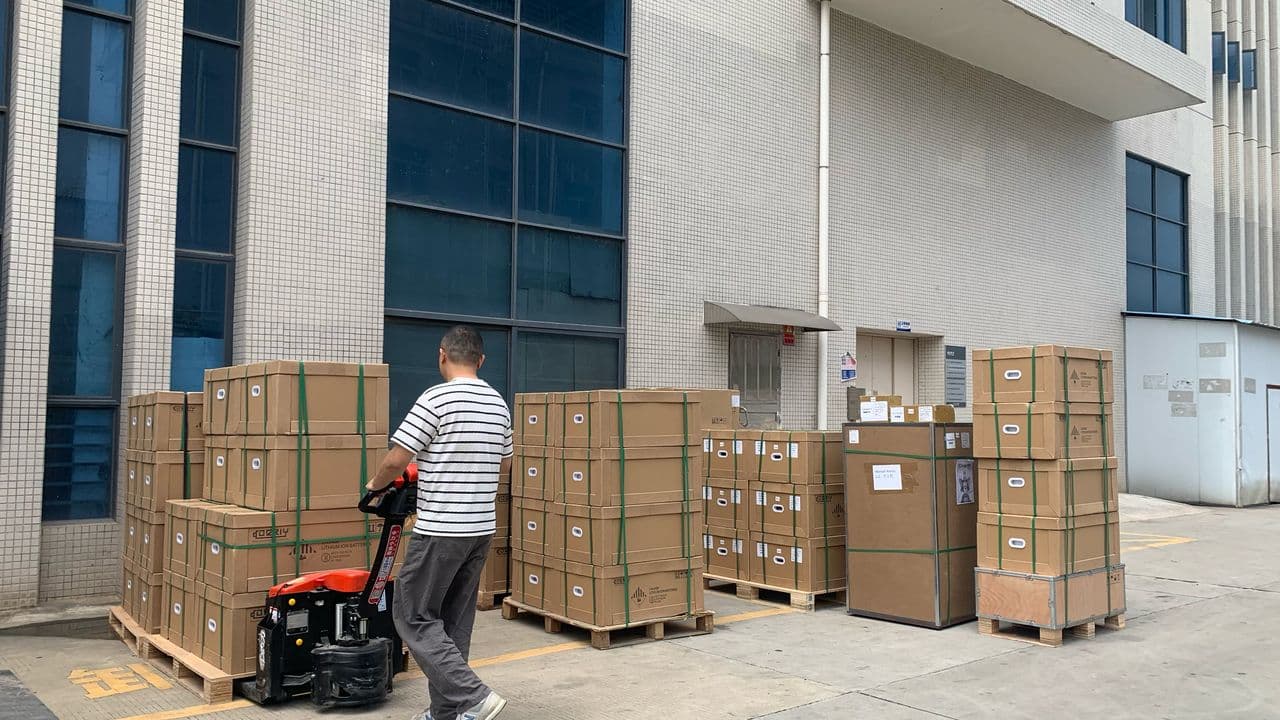

You have decided on lithium. Good. But there is one more choice. There are different kinds of lithium battery. The two you will hear about are LiFePO4 and NMC.
The simple version
- LiFePO4 = safe, long life, a bit bigger. Best for homes.
- NMC = small and light, shorter life, more sensitive to heat. Best for phones and cars.
Side by side
| LiFePO4 | NMC | |
|---|---|---|
| Full name | Lithium iron phosphate | Nickel manganese cobalt |
| Safety in heat | Very good | Lower |
| Cycles | 3,000 to 6,000 | Often 1,000 to 2,000 |
| Size for same power | Bigger | Smaller |
| Used in | Home solar, buses | Phones, many cars, laptops |
| Voltage per cell | 3.2V | About 3.6 to 3.7V |
Why safety matters more in Nigeria
Battery rooms in Port Harcourt and Yenagoa can get hot. Some are small stores with no window. LiFePO4 stays stable when it is warm. That is why home solar makers use it.
NMC can overheat if it is damaged or badly charged. In a car, there is a big cooling system. In a store room, there is not.
Why life span matters
You use a solar battery every night. That is about 365 cycles a year. A battery with 6,000 cycles can last over 10 years. A battery with 1,500 cycles may be tired in 4 years.
How to check what you are buying
- Read the label. Look for LiFePO4 or lithium iron phosphate.
- Check the voltage. LiFePO4 home batteries are often 12.8V, 25.6V or 51.2V.
- Ask for the datasheet and cycle rating.
- Ask about the BMS.
If the seller cannot tell you the chemistry, walk away. Read how to spot a fake lithium battery.
What we install
Every LumaGrid system in Port Harcourt, Asaba and Yenagoa uses LiFePO4 batteries.