Solar panels keep getting better. One big change is the move from P-type to N-type cells. You will see these words on datasheets. Here is what they mean.
The simple idea
Inside every solar cell, silicon is mixed with a tiny bit of another material. This is called doping.
- P-type uses boron. It was the normal type for many years.
- N-type uses phosphorus. It is newer.
You do not need to remember that. Just remember the results.
Side by side
| N-type | P-type | |
|---|---|---|
| Age of technology | Newer | Older |
| Power lost each year | Lower | Higher |
| Early power drop (first months) | Very small | Larger |
| Heat loss | A little lower | A little higher |
| Price | A little higher | Lower |
| Common names | TOPCon, HJT | PERC |
Why it matters in our heat
Roofs in Port Harcourt, Warri and Yenagoa get very hot at midday. All panels lose a bit of power when hot. N-type loses a little less. That means more power on hot afternoons.
Why it matters over 25 years
A panel slowly makes less power as it ages. Good panels lose around half a percent per year. N-type panels usually lose a bit less. After 20 years, that can be several percent more power.
How to tell
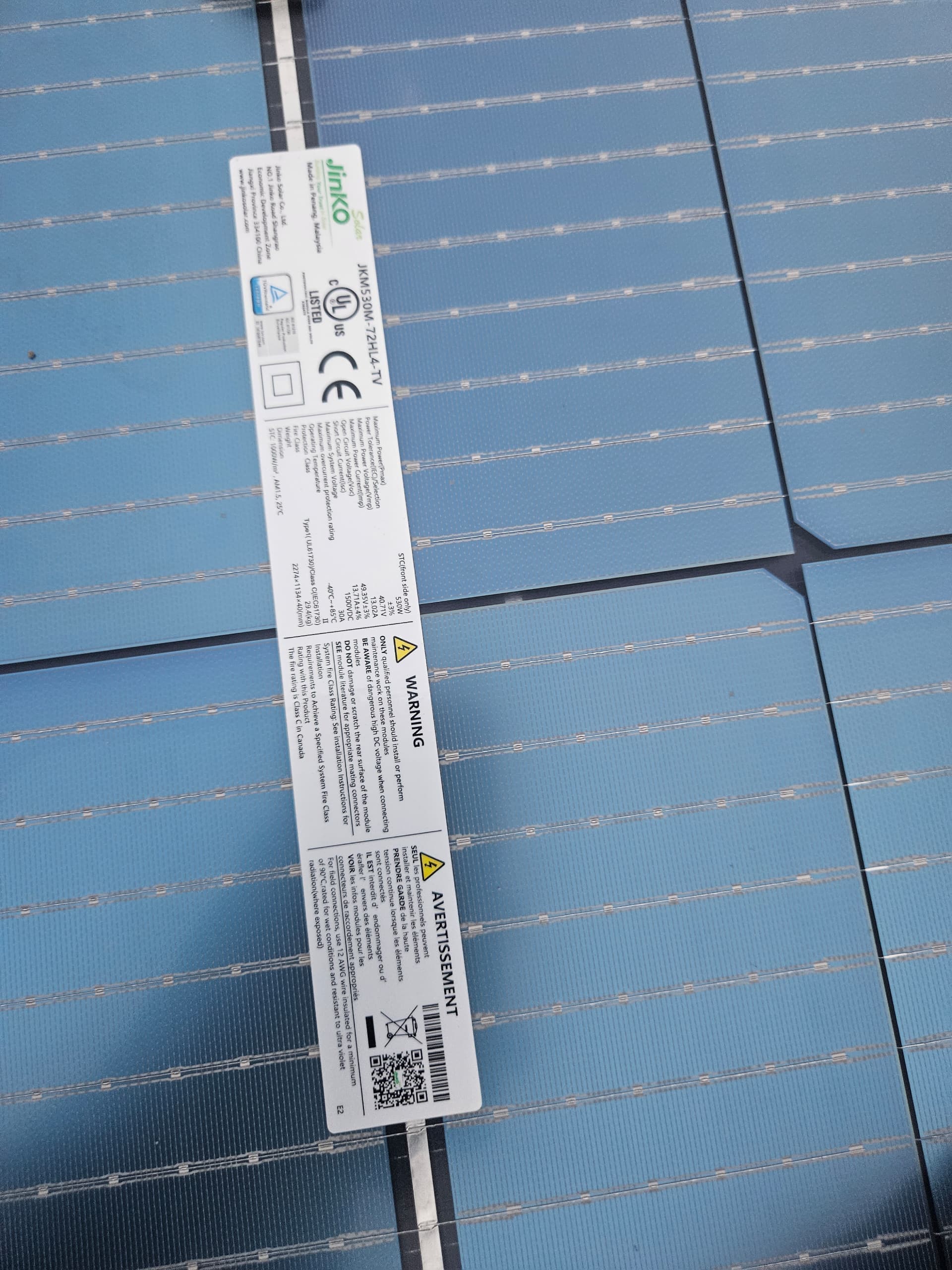
Look at the datasheet. Look for words like:
- N-type or TOPCon or HJT = N-type
- PERC = usually P-type
Brands like Jinko and Longi sell both. Ask for the exact model name.
Should you pay more for N-type?
If the price gap is small, yes. If your budget is tight, a good P-type mono panel from a trusted brand is still fine. What matters more is that the panel is genuine. Read how to spot fake panels.
See also mono vs poly panels and our pricing page.